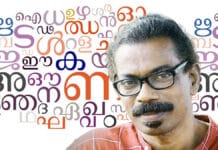

Bethimaran Becomes Sukumaran Chaligadha is an autobiographical narrative that examines identity, cultural continuity, and institutional intervention through the seemingly simple act of renaming. The text demonstrates how a child’s Indigenous name is altered within the formal school system, and how this change reflects broader patterns of cultural marginalisation experienced by Adivasi communities.
Summary
The narrative begins by describing the Adivasi practice of naming children after grandparents. Naming is not a formal ritual but a collective, organic process rooted in kinship, affection, and resemblance. The author is named ‘Bethimaran’ after his grandfather Achappan because he resembles him physically. The name thus functions as a marker of lineage and belonging. Within the settlement (ooru), names are often accompanied by affectionate nicknames, showing that identity operates through relational familiarity rather than rigid documentation. Through this opening, the text establishes that names are not arbitrary sounds; they carry memory, ancestry, and spiritual meaning. The community’s naming system reflects continuity between generations and affirms collective identity.
The turning point occurs when the author is enrolled in school. Although registered as ‘Bethimaran,’ a teacher rejects the name as unsuitable and old-fashioned. Despite the child’s protest, the teacher changes it to ‘Sukumaran,’ justifying the alteration by associating it with a famous film actor. The renaming is presented as harmless or even beneficial, yet it is clearly imposed. The narrator expresses sadness at losing his grandfather’s name, particularly emphasising his young age. The school becomes the first site where institutional authority overrides Indigenous identity. What appears to be a minor administrative adjustment becomes symbolic of cultural displacement.
The narrative expands beyond the classroom to demonstrate how official systems repeatedly alter Adivasi names. The author’s father’s name ‘Jaachchan’ becomes ‘Rajan’ in election records, and his mother’s name ‘Maachi’ is changed to ‘Shantha’ on identity cards. Official documentation standardises names according to dominant linguistic norms, gradually erasing Indigenous ones. This produces fragmented identity: different names appear in different records. The mismatch between lived identity and documented identity reveals how bureaucracy shapes personal existence.
Within the community, the narrator remains ‘Bethimaran.’ Outside, he must identify himself as ‘Sukumaran Chaligadha.’ The addition of the place name ‘Chaligadha’ reflects his attempt to reclaim recognition and familial association. His brothers, known athletes, share the same place-based surname, and he adopts it as a marker of pride and belonging. This dual naming reflects the tension between internal cultural identity and external institutional recognition. The author navigates both worlds, adjusting his self-presentation depending on context.
The sports narrative adds another dimension. Inspired by his brothers’ success, the narrator participates in races but initially fails to win, sometimes feeling unfairly treated. His determination leads him to train rigorously, and he eventually becomes the school champion for three consecutive years. However, he reminds readers that fitting in remains difficult because of his dark skin, Adivasi identity, and linguistic difference. Success does not eliminate structural prejudice. The sports episode symbolises resilience and self-assertion within discriminatory spaces.
The latter part of the narrative returns to the significance of traditional identity systems. Across four panchayats, people recognise the narrator through his grandfather’s name and clan (Chemmam). Community members trace relationships through genealogy rather than written records. Knowledge is transmitted through lived experience, memory, and oral tradition. The author explains that ‘Bethi’ derives from ‘Bethikkaaraathi,’ elder women who care for pregnant mothers, and ‘Maran’ refers to a divine name within the community. The meaning embedded in the name demonstrates that Indigenous names are culturally rich and spiritually grounded.
The narrative concludes by questioning the logic behind changing Adivasi names to “modern” or “progressive” ones. The author asks what actual benefit arises from such changes and observes that it is primarily Adivasis whose names are altered. He also points out that traditional names were easier to pronounce than the imposed ones. A final reflection on linguistic practice — using the pronoun “Nee” for everyone regardless of age — shows how even speech customs are judged by dominant social norms. Cultural differences are misinterpreted as disrespect.
- Naming Adivasi children after grandparents.
- Naming as collective, organic, kinship-based (not formal ritual).
- ‘Bethimaran’ is named after grandfather Achappan, due to physical resemblance.
- Name as a marker of lineage and belonging.
- Ooru’s usage of affectionate nicknames.
- Names carry memory, ancestry, and spiritual meaning.
- The naming system affirms intergenerational continuity and collective identity.
- School enrolment under ‘Bethimaran’.
- Teacher rejects name as unsuitable/old-fashioned.
- Name changed to ‘Sukumaran’ despite protest.
- Justification via association with a famous film actor.
- Renaming presented as harmless/beneficial but imposed.
- Sadness at losing grandfather’s name; emphasis on young age.
- School as the first site overriding Indigenous identity.
- Administrative change becomes a symbolic cultural displacement.
- Repeated alteration of Adivasi names by official systems.
- Father: ‘Jaachchan’ → ‘Rajan’ in election records.
- Mother: ‘Maachi’ → ‘Shantha’ on identity cards.
- Standardisation to dominant linguistic norms.
- Gradual erasure of Indigenous names.
- Fragmented identity across records.
- Mismatch between lived identity and documentation.
- Bureaucracy shaping personal existence.
- Within the community, the name remains ‘Bethimaran’.
- Outside: identifies as ‘Sukumaran Chaligadha’.
- ‘Chaligadha’ added to reclaim recognition/familial association.
- Brothers known as athletes with the same place-based surname.
- Adoption of surname as pride and belonging.
- Dual naming as a tension between internal identity and external recognition.
- Self-presentation adjusted by context.
- Inspired by brothers’ success, participates in races.
- Initial failures; sense of unfair treatment.
- Rigorous training; school champion for three consecutive years.
- Continued difficulty fitting in (dark skin, Adivasi identity, linguistic difference).
- Success not removing structural prejudice.
- Sport symbolising resilience and self-assertion.
- Recognition across four panchayats via the grandfather’s name and clan (Chemmam).
- Relationships traced through genealogy, not written records.
- Knowledge transmitted through lived experience, memory, and oral tradition.
- ‘Bethi’ from ‘Bethikkaaraathi’ (elder women caring for pregnant mothers).
- ‘Maran’ as a divine name in the community.
- Indigenous names are culturally rich and spiritually grounded.
- Questioning logic and the benefit of “modern/progressive” renaming.
- Observation: primarily, Adivasis’ names are altered.
- Traditional names are easier to pronounce than imposed ones.
- “Nee” is used for everyone regardless of age.
- Speech customs judged by dominant norms.
- Cultural difference misread as disrespect.
Assimilation as Everyday Bureaucratic Correction
The narrative’s primary achievement lies in revealing assimilation not as a dramatic conquest but as a daily, bureaucratic “correction” enacted in classrooms, registers, and identity cards. The ‘C.R.’ format and the altered parental names demonstrate how bureaucracies compress lived identities into administrable categories. State recognition may grant documentation, yet it simultaneously distorts Indigenous names. Citizenship practices are therefore not neutral; they carry cultural assumptions about what counts as “proper.” The teacher’s objection to ‘Bethimaran’ is ostensibly aesthetic and modernising. Still, its deeper logic is disciplinary: it asserts that the institution has the right to determine which identities are acceptable within its space. Particularly striking is the method of coercion: rather than physical force, the school uses coaxing, cultural prestige (cinema), and the promise that the child will “grow into the name,” thereby naturalising the institution’s interference as benevolence. This is an accessible entry point into analysing how power often operates through “soft” techniques — persuasion, standardisation, and the rhetoric of improvement — while producing hard consequences.
- Assimilation shown as daily bureaucratic “correction” (classrooms, registers, IDs).
- ‘C.R.’ format and altered parental names as compression into administrable categories.
- Documentation granting recognition while distorting Indigenous names.
- Citizenship practices carry assumptions of “proper” naming.
- The teacher’s objection as disciplinary, defining acceptable identities.
- Coercion through coaxing, cinema prestige, promise of “growing into the name”.
- Power operating through “soft” techniques with hard consequences.
Naming as Identity Politics
The central strength of the text lies in its exploration of naming as a political act. A name is shown to be a carrier of history, kinship, and cosmology. The forced change from ‘Bethimaran’ to ‘Sukumaran’ represents the subtle violence of assimilation. The school’s authority determines what is acceptable, thereby asserting cultural dominance. For students, this offers a clear example of how identity can be shaped or reshaped by institutions. The teacher’s rejection of ‘Bethimaran’ symbolises the expulsion of an Indigenous cultural logic from the school’s imagined modernity. The institution is not merely changing a name; it is attempting to convert a person from one system of meaning to another. The double naming — Bethimaran at home, Sukumaran Chaligadha outside — can be explained as code-switching across social worlds. The addition of ‘Chaligadha’ serves as a countersignature, reasserting Indigenous geography and kinship within institutional constraints.
- Naming is treated as a political act.
- Name as carrier of history, kinship, cosmology.
- Forced change as a subtle violence of assimilation.
- School authority asserting cultural dominance by determining acceptability.
- Rejection symbolising expulsion of Indigenous cultural logic from school modernity.
- An institution converts a person between systems of meaning.
- Double naming as code-switching across social worlds.
- ‘Chaligadha’ as countersignature reasserting geography/kinship within constraints.
Soft Power and Institutional Authority
The renaming does not occur through overt coercion, but through persuasion and normalisation. The school’s strategy exemplifies cultural hegemony: domination achieved through consent and aspiration rather than open violence. The teacher frames the change as improvement, associating it with mainstream cinema and respectability. This illustrates how power operates through cultural aspiration rather than direct force. Such an example is pedagogically valuable when discussing concepts like hegemony, assimilation, and cultural standardisation. “Soothing and coaxing” illustrates how coercion can be affective, especially when directed at a child.
- Renaming via persuasion and normalisation (not overt coercion).
- Strategy exemplifying cultural hegemony (consent/aspiration).
- Change framed as improvement via cinema/respectability.
- Power operating through cultural aspiration.
- “Soothing and coaxing” as affective coercion directed at a child.
Emotional Restraint and Ethical Force
The text’s emotional economy supports teaching. The author does not rely on melodrama; he registers sadness with the plainness of a remembered wound. The detail that he was under five intensifies the ethical stakes without rhetorical excess. This restraint makes the critique more credible and invites readers to supply their own moral judgement. The child’s motive for attending school — play and companionship — adds a further pedagogic dimension: it frames the institution as something a child enters innocently, only to encounter processes that discipline identity at the threshold.
- Sadness conveyed without melodrama.
- Under-five detail intensifying ethical stakes.
- Restraint strengthening credibility.
- Motive for school: play and companionship.
- Institution disciplining identity at the threshold.
Two Epistemologies of Identity
A major structural strength is the contrast between two epistemologies of identity. On the one hand, there are state and school systems that know people through documents, initials, and standardised names. On the other hand, it is an Indigenous system that knows persons through kinship, clan, place, and lived memory. The elders’ capacity to map families across regions through direct experience — “not by reading” — is not anti-literacy; it is a claim about the authority of embodied, relational knowledge. This contrast opens discussion about the politics of “record”, “proof”, and “legibility”: who counts as knowable, by what methods, and at what cultural cost.
- State/school knowing persons through documents, initials, standardised names.
- Indigenous systems know persons through kinship, clan, place, and lived memory.
- Elders mapping families via experience (“not by reading”).
- Authority of embodied, relational knowledge.
- Politics of record/proof/legibility and cultural cost.
Feminist Dimension of Naming
The etymology of ‘Bethi’ introduces a subtle yet significant feminist dimension. By tracing the name to ‘Bethikkaaraathi’ — elder women devoted to prenatal and postnatal care—the author reveals women’s labour as foundational to communal life in the production of social meaning. Names thus encode gendered roles and expertise, complicating any simplistic reading focused only on male lineage.
- ‘Bethi’ linked to ‘Bethikkaaraathi’ (prenatal/postnatal care).
- Women’s labour is foundational to communal life and meaning-making.
- Names encoding gendered roles and expertise.
- Complicating male-lineage-only readings.
Sport, Merit, and Structural Inequality
The sports narrative adds a further layer. The suggestion of being “pushed back in the results” prevents the story from becoming a simple inspirational tale. Even after becoming champion, barriers of colour, Adivasi identity, and linguistic difference remain. The text therefore shows how success can coexist with structural marginalisation, and how “inclusion” often requires marginalised individuals to over-perform.
- “Pushed back in the results”, undermining the inspirational narrative.
- Persistence of barriers (colour, Adivasi identity, language) after success.
- Success coexisting with structural marginalisation.
- Inclusion demanding over-performance.
Resilience and Self-Assertion
The sports episode functions symbolically. While the narrator initially experiences marginalisation, his eventual success reflects determination and resilience. However, the narrative carefully avoids romanticising individual achievement. Structural difference persists. This duality makes the text nuanced and realistic rather than sentimental.
- Sports episode as symbolic resilience.
- Avoidance of romanticising individual achievement.
- Persistence of structural difference.
- Nuanced, realistic tone.
Oral Texture and Cultural Policing
Stylistically, the narrative’s effectiveness comes from its oral texture. The voice resembles spoken testimony, using direct speech and reflective commentary. This mirrors the community’s emphasis on lived knowledge. The contrast between Indigenous knowledge systems and bureaucratic documentation is particularly striking. Within the community, identity is maintained through oral memory, clan networks, and lived relationships. Outside, identity is fixed through initials, ID cards, and standardised spellings. The text thereby challenges assumptions that written documentation is inherently superior to oral tradition. The final vignette about “Nee” becomes an ethnolinguistic lesson: outside norms interpret equality of address as disrespect, thereby treating hierarchy as civilisation. Language becomes a site of cultural policing.
- Oral, testimonial voice with direct speech and reflection.
- Emphasis on lived knowledge.
- Sharp contrast: oral/clan-based identity vs bureaucratic documentation.
- Challenge to the assumption of written documentation superiority.
- “Nee” vignette: equality read as disrespect.
- Language as a site of cultural policing.
Framing the Text
The first-person autobiographical voice enhances authenticity. The conversational tone mirrors oral storytelling traditions. Direct speech adds immediacy and emotional depth. The narrative moves from personal anecdote to social critique. It begins with childhood memory, expands into systemic observation, and ends with cultural reflection. This structural arc can be analysed as a deliberate narrative strategy. The text may be framed as an exploration of how institutions manufacture “legible” citizens by editing identity, and how Indigenous communities sustain identity through relational networks that exceed paperwork. Naming is presented as an inheritance, a social bond, and a mnemonic device rather than a mere label.
- First-person voice enhances authenticity.
- Conversational tone mirroring oral storytelling.
- Direct speech adds immediacy and emotional depth.
- Movement from personal anecdote to systemic critique to cultural reflection.
- Text framed as institutions manufacturing “legible” citizens by editing identity.
- Indigenous communities sustaining identity beyond paperwork.
- Naming as inheritance, bond, mnemonic device.
The text remains highly relevant in discussions of marginalised communities, post-colonial identity formation, Dalit and Adivasi literature, and the politics of documentation. It encourages critical thinking about everyday practices that are often taken for granted. Bethimaran Becomes Sukumaran Chaligadha transforms a personal memory into a powerful critique of cultural assimilation and institutional authority. Through its exploration of naming, documentation, sport, and language, it reveals how identity is negotiated between Indigenous belonging and dominant social structures.